Cross-Laminated Timber in Modular Homes
The intersection of prefabricated manufacturing and sustainable engineering is most evident in the material choices utilized by modern facilities. Unlike traditional construction, where material selection is often dictated by local availability and contractor familiarity, prefab manufacturers design their supply chains around engineered performance.
The Rise of Mass Timber
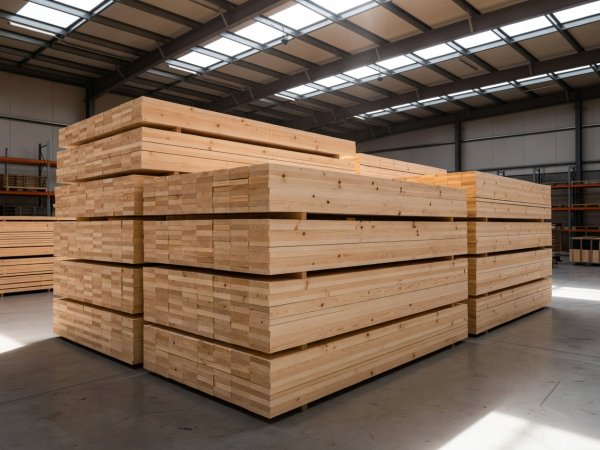
Cross-Laminated Timber (CLT) has revolutionized modular construction. CLT consists of layers of lumber boards stacked crosswise and glued together. This engineered wood offers structural rigidity comparable to concrete or steel but at a fraction of the weight. For prefab manufacturers, lighter panels mean reduced transportation costs and easier manipulation by factory robotics.
More importantly, CLT acts as a carbon sink. Rather than emitting carbon during production (as is the case with cement), timber sequesters carbon dioxide absorbed during the tree's growth phase. When harvested sustainably—often regulated by standards like the FSC (Forest Stewardship Council)—CLT provides a regenerative alternative for structural framing.
Light-Gauge Steel Profiling
While timber dominates residential and mid-rise prefab, light-gauge steel remains crucial for commercial volumetric modules. Precision roll-forming machines take coils of cold-formed steel and bend them into exact stud profiles. This process generates virtually zero waste. The steel utilized is highly recyclable, and its high strength-to-weight ratio allows for longer spans and more open floor plans within modular constraints.
Zero-Waste Factory Imperatives
Sustainability is not just about what is built, but how it is built. In traditional construction, waste dumpsters are a permanent fixture, filled with off-cuts of drywall, framing, and insulation. Prefabrication relies on digital twins and CNC machinery that nest cuts mathematically to maximize yield. The 5-10% of material that is wasted in a factory is cleanly sorted and fed back into industrial recycling streams, keeping building refuse out of local landfills.